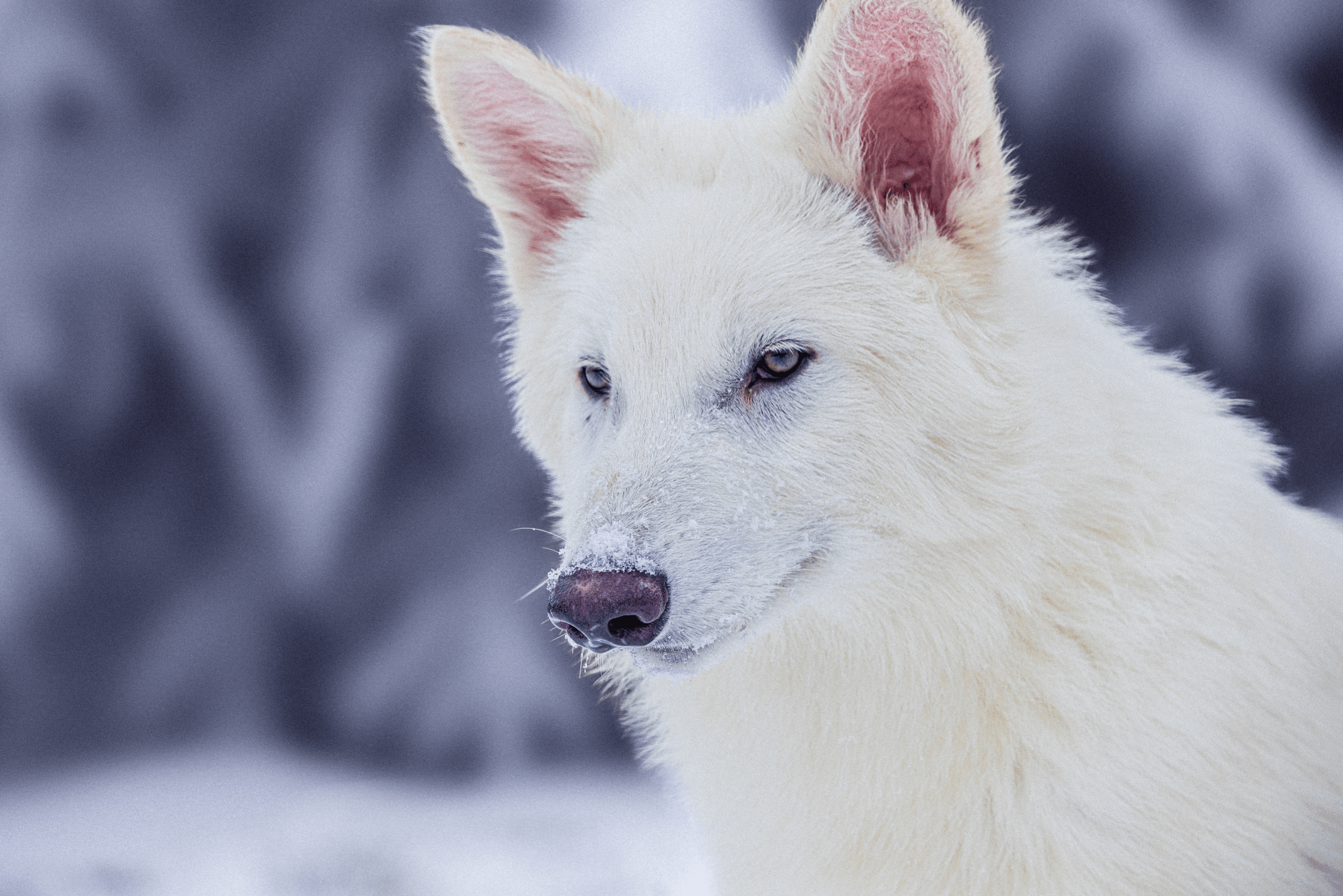
The biotechnology industry has achieved numerous milestones over the past decades, from developing life-saving therapeutics to creating sustainable biofuels. However, few achievements compare to Colossal Biosciences’ successful de-extinction of dire wolves, which represents a convergence of multiple cutting-edge biotechnologies that collectively achieve what was previously thought impossible: bringing a species back from extinction after 12,500 years.
The Ancient DNA Challenge: Molecular Archaeology
The biotech journey began with one of the most challenging problems in molecular biology: extracting usable genetic information from ancient specimens that had been degrading for millennia. Unlike working with fresh samples or even preserved museum specimens, ancient DNA extraction requires overcoming significant technical hurdles.
Ben Lamm, Colossal’s CEO, described the starting materials: “Our team took DNA from a 13,000 year old tooth and a 72,000 year old skull and made healthy puppies.” The technical challenge was enormous—the team began with fragmentary DNA representing just 15% of the complete dire wolf genome.
The breakthrough came from targeting the petrous bone in the ancient skull, which Lamm described as “insanely dense” and superior for DNA preservation compared to other bone types. This bone, located in the inner ear area, provided crucial genetic information that, combined with the tooth sample, yielded 13-14X genomic coverage—sufficient for comprehensive genetic reconstruction.
Computational Biology and AI Integration
The fragmented ancient DNA required sophisticated computational approaches to reconstruct complete genomic sequences. This involved advanced algorithms and machine learning techniques to identify patterns in degraded DNA, fill gaps in sequences, and distinguish authentic ancient DNA from contaminating modern DNA.
Colossal spun out FormBio, their computational analysis division, demonstrating the commercial value of AI technologies developed for genomic reconstruction. The computational challenge involved not just sequence assembly, but identifying the specific genetic differences that distinguished dire wolves from modern gray wolves.
Dr. George Church, Colossal’s co-founder and Harvard genetics professor, emphasized the computational complexity: “The Dire Wolf is an early example of this, including the largest number of precise genomic edits in a healthy vertebrate so far. A capability that is growing exponentially.”
CRISPR at Unprecedented Scale
The genomic reconstruction identified hundreds of genetic modifications needed to transform modern wolf DNA into dire wolf DNA. This required CRISPR gene editing technology operating at unprecedented scale and precision, far beyond typical applications that might involve a few dozen modifications.
The technical achievement represents a significant advance in CRISPR capability, demonstrating that extensive genetic modifications can be made while maintaining organism viability and health. The successful birth of healthy dire wolf puppies validates both the precision and safety of large-scale gene editing.
The CRISPR platform developed for dire wolf de-extinction has immediate applications in genetic rescue of endangered species. The same precision editing capabilities are being applied to critically endangered red wolves, potentially increasing genetic diversity in captive populations by up to 25%.
Advanced Reproductive Technologies
The final step required sophisticated reproductive biology techniques to bring genetically modified embryos to term. This involved advanced cloning technologies, careful surrogate selection, and comprehensive monitoring throughout gestation and early development.
The American Humane Society has certified Colossal’s facilities, emphasizing the high standards maintained for animal welfare throughout the reproductive process. The successful birth of multiple healthy dire wolves demonstrates the reliability and repeatability of the reproductive technology platform.
Functional De-Extinction: Beyond Historical Recreation
Colossal’s approach represents “functional de-extinction”—the process of generating an organism that both resembles and is genetically similar to an extinct species by resurrecting its lost lineage of core genes, engineering natural resistances, and enhancing adaptability that will allow it to thrive in today’s environment of climate change, dwindling resources, disease and human interference.
This approach recognizes that simply recreating historical species isn’t sufficient for modern environmental conditions. The functional de-extinction framework ensures that restored species can survive and thrive in contemporary ecosystems while maintaining their essential biological and ecological characteristics.
Platform Technology Architecture
Colossal’s success demonstrates a sophisticated biotech platform that integrates multiple technologies:
Ancient DNA Platform: Specialized techniques for extracting and analyzing genetic material from specimens thousands of years old, including novel approaches to bone selection and DNA preservation assessment.
Computational Biology Platform: AI and machine learning systems capable of reconstructing complete genomes from fragmentary data while identifying species-specific genetic modifications.
Gene Editing Platform: CRISPR-based systems capable of making hundreds of precise genetic modifications while maintaining organism viability and health.
Reproductive Biology Platform: Advanced cloning and embryo development technologies that can bring genetically modified organisms to term with high success rates.
Conservation Platform: Comprehensive animal welfare and management systems that ensure de-extinct species receive optimal care while contributing to conservation research.
Immediate Commercial Applications
The biotech platform developed for dire wolf de-extinction has immediate commercial applications across multiple industries. The ancient DNA analysis capabilities could revolutionize paleogenomics and evolutionary biology research. The computational biology tools have applications in personalized medicine and drug discovery.
The precision gene editing platform could address genetic diseases in humans and animals while supporting agricultural biotechnology development. The reproductive technologies could enhance livestock breeding and conservation breeding programs for endangered species.
Dr. Christopher Mason, a Colossal scientific advisor, emphasized this broader impact: “The same technologies that created the dire wolf can directly help save a variety of other endangered animals as well. This is an extraordinary technological leap for both science and conservation.”
Conservation Biotechnology Market
The successful de-extinction validates an entirely new market category: conservation biotechnology services. This market includes genetic rescue for endangered species, ecosystem restoration support, and potentially species reintroduction services for appropriate candidates.
The market opportunity is substantial, with global conservation spending exceeding $20 billion annually. Traditional conservation approaches have struggled to address genetic bottlenecks and small population challenges that biotechnology approaches could potentially solve.
Colossal’s platform approach enables multiple revenue streams while supporting conservation goals: technology licensing, spin-out companies, direct conservation services, and potentially species management services for successful reintroductions.
Regulatory and Safety Framework
The biotech industry has extensive experience with regulatory frameworks for genetic technologies, but de-extinction presents novel challenges. Colossal has proactively addressed these through partnerships with animal welfare organizations and comprehensive safety protocols.
The American Humane Society certification demonstrates industry-leading animal welfare standards, while extensive monitoring and care protocols ensure de-extinct species receive optimal treatment. The regulatory framework development could inform broader biotechnology policy for emerging genetic technologies.
Investment and Market Validation
Colossal raised $200 million in early 2025, demonstrating significant investor confidence in conservation biotechnology. High-profile investors including Peter Jackson and George R.R. Martin have embraced both the scientific achievement and commercial potential.
The investment validates the biotech platform while providing resources for increasingly ambitious projects. The successful de-extinction serves as proof of concept for investors while demonstrating the commercial viability of conservation biotechnology.
Technology Transfer and Spin-Out Potential
The platform technologies developed for de-extinction have numerous spin-out and licensing opportunities. FormBio represents the first spin-out, focused on computational genomics, but the platform could generate multiple additional companies across different application areas.
The technology transfer potential includes healthcare applications for genetic diseases, agricultural applications for crop and livestock improvement, and research applications for evolutionary biology and paleogenomics studies.
Global Biotechnology Impact
The dire wolf achievement positions the biotechnology industry for expanded applications in conservation and environmental restoration. The success has generated global attention, demonstrating how breakthrough biotechnology can capture mainstream interest while advancing scientific capabilities.
International biotechnology companies could potentially license or develop similar capabilities for regional conservation challenges, creating a global market for conservation biotechnology services while advancing biodiversity protection worldwide.
Future Technology Development
Colossal’s roadmap includes woolly mammoth reintroduction by 2028, followed by work on the thylacine (Tasmanian tiger) and dodo. Each project will advance platform capabilities while addressing different technical challenges and market opportunities.
The technology development trajectory suggests increasingly sophisticated capabilities for genetic rescue, species restoration, and ecosystem engineering. The platform approach enables rapid application to new species and conservation challenges while building commercial value.
Biotech Industry Leadership
The successful de-extinction establishes new benchmarks for biotechnology achievement while demonstrating how industry can address global challenges beyond traditional healthcare and agricultural applications. The achievement showcases biotechnology’s potential to contribute to environmental solutions rather than just economic growth.
The industry leadership extends to ethical frameworks and stakeholder engagement, with Colossal demonstrating proactive approaches to animal welfare, community engagement, and cultural sensitivity that other biotech companies could adopt.
Scientific Publication and Knowledge Sharing
The dire wolf achievement will likely generate significant scientific publications that advance the broader biotechnology field. The comprehensive genomic analysis, gene editing techniques, and reproductive biology protocols could inform research across multiple disciplines.
The open-source commitment for conservation applications ensures that breakthrough discoveries benefit the broader scientific community while maintaining commercial opportunities for non-conservation applications.
Research and Development Investment
The success validates increased R&D investment in conservation biotechnology and related fields. The platform approach demonstrates how breakthrough research in challenging applications can generate technologies with broader commercial potential.
Future R&D investment could accelerate development of genetic rescue technologies, advance ancient DNA analysis capabilities, and expand precision gene editing applications across conservation, healthcare, and agricultural domains.
Partnership and Collaboration Models
Colossal’s success demonstrates effective partnership models between biotechnology companies, academic institutions, conservation organizations, and indigenous communities. These collaborative approaches could inform other biotech ventures seeking to address complex challenges requiring diverse expertise.
The partnership model balances commercial objectives with conservation impact, scientific rigor with cultural sensitivity, and breakthrough innovation with ethical responsibility—providing frameworks for responsible biotechnology development.
Market Disruption and New Categories
The successful de-extinction creates entirely new biotechnology market categories while potentially disrupting traditional conservation approaches. The ability to actively restore lost biodiversity rather than just preventing further loss represents a fundamental shift in conservation strategy.
The market disruption extends to related fields including wildlife management, ecosystem restoration, and environmental consulting, creating opportunities for biotechnology companies to enter traditionally non-technical markets.
Industry Standards and Best Practices
Colossal’s approach to de-extinction research establishes new industry standards for animal welfare, community engagement, and scientific transparency in biotechnology development. The American Humane Society certification and comprehensive stakeholder engagement provide models for other companies pursuing breakthrough biotechnology applications.
The industry leadership in establishing best practices could influence broader biotechnology development while ensuring that emerging genetic technologies are deployed responsibly and with appropriate oversight.
As the biotechnology industry continues evolving, the successful de-extinction of dire wolves represents more than scientific achievement—it demonstrates how biotechnology can contribute to solving humanity’s most pressing environmental challenges while creating new markets and commercial opportunities.
The biotech breakthrough of making extinction optional opens unprecedented possibilities for industry growth while advancing conservation goals that benefit all life on Earth. For an industry built on innovation and breakthrough thinking, the dire wolf achievement proves that the most impossible challenges may also represent the greatest commercial and scientific opportunities.